
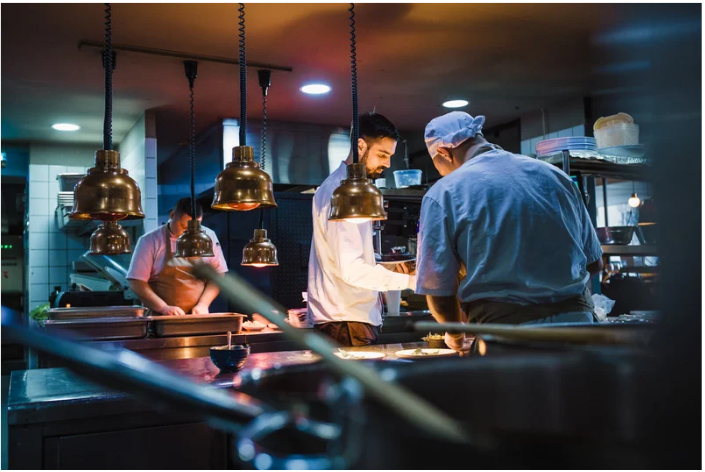
When I first stepped into the kitchen at Sugarbush Golf Club, I didn’t just look at what we were serving. I looked at how we were serving it.
Running a restaurant inside a golf club means more than turning out good food. It means keeping pace with tee times, serving members who expect both speed and quality, and doing it all while protecting food cost and margins.
That’s where operational flow improvement comes in.
The idea is simple: make small, intentional changes that ease pressure on the kitchen, keep the line moving, and give the team space to work better. Over the past year, we’ve put that philosophy into practice in three ways.
1. The Smash Burger Strategy
Our fryers were overloaded. Nearly 80% of orders were chicken tenders — delicious, but a bottleneck.
So we introduced a Smash Burger, cooked on the flat top instead of the fryer. Crispy edges, American cheese, our own sauce. Simple, satisfying, and offloaded from the busiest station in the kitchen.
It wasn’t just a new menu item. It was an operational flow improvement. The fryers could breathe, ticket times dropped, and guests got another reason to come back.
👉 Read the full Smash Burger story here.
2. The Fish Fry Strategy
Tradition matters, especially in the Midwest. But when Lent rolled around, our kitchen couldn’t keep up. The beer-battered fish was good, but each batch took nine minutes — and with fryers jammed full of tenders, it was unsustainable.
So we switched to a panko-crusted fish. It fried in half the time, stayed crisp, and we could cook multiple pieces at once. That one shift brought back the Friday Fish Fry — better than before.
👉 Read the full Fish Fry story here.
3. The Ribeye Strategy
The ribeye loin became our MVP. By cross-utilizing every cut, we lowered costs, reduced waste, and elevated multiple dishes.
- French Onion Soup infused with prime rib drippings.
- Cheesesteaks and French Dips made with shaved ribeye, not prefab meat.
- Prime Rib Night that became a sales driver, paying off across the menu.
It wasn’t just about stretching an ingredient. It was about turning one purchase into a series of wins — flavor, efficiency, and margin all in one.
👉 Read the full Ribeye story here.
Why It Matters
None of these changes were flashy. But they worked because they respected both sides of the equation: the kitchen’s flow and the guest’s experience.
That’s the heart of operational flow improvement. Small, thoughtful adjustments create ripple effects — smoother service, happier teams, and stronger business results.
At Sugarbush, the Smash Burger, the Fish Fry, and the Ribeye all started as menu tweaks. But they became something more: examples of how hospitality and operations can align.
Because when you treat every ingredient — and every system — with intention, you don’t just serve food. You serve better business.